Property managers and facility teams know that disasters can occur at any minute. From water damage to smoke remediation, it’s critical to get your property back to its safe and functional pre-loss state so that it’s safe and inviting again for clients and employees alike. That’s why the team at Paul Davis Restoration recommends that every DC & Maryland property manager prepare a disaster plan, whether you run a warehouse, office, restaurant, retail store, multi-family housing unit, or a different kind of commercial property entirely.
In this article, our knowledgeable team explains how to build a comprehensive plan and what managers can do before, during, and after an emergency to ensure fast responses and reduced downtime.
Identifying the Risks: Water, Fire, Smoke, and Storm Events
Unfortunately, properties in the DC and Maryland areas are at risk for a wide range of disasters due to industrial and environmental factors. Assess your building to determine if you may be vulnerable to the following:
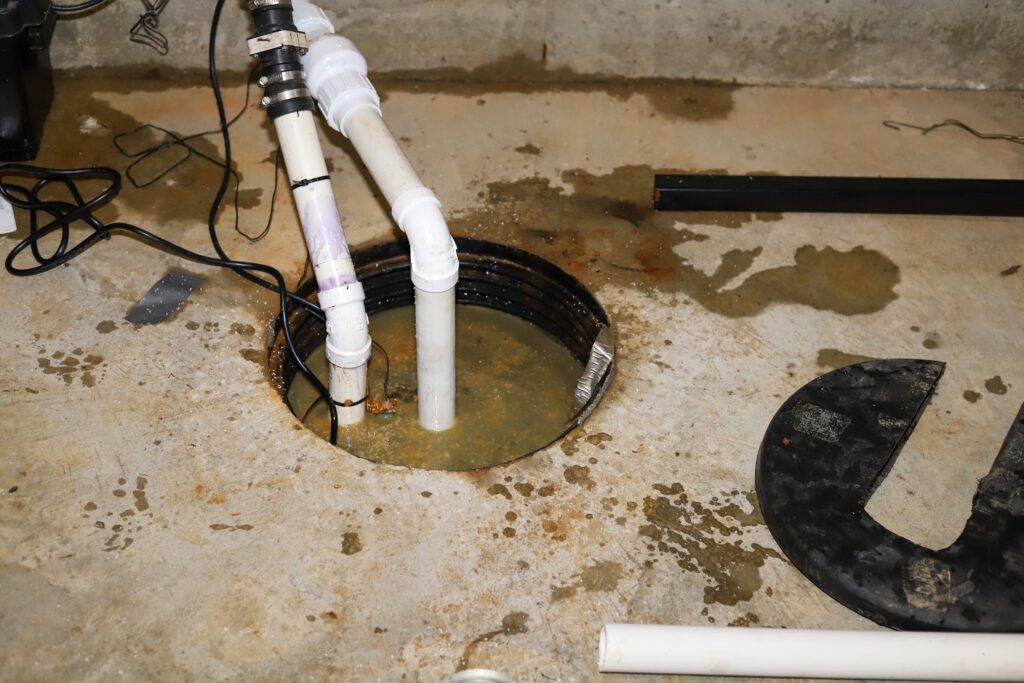
- Water damage: Common causes of water damage in the region include aging infrastructure, burst pipes during cold snaps, sump pump failures, and sewer backups. Regional flooding is also a risk, especially for properties near bodies of water like the Potomac River and Chesapeake Bay.
- Fire hazards: Properties with equipment rooms and commercial kitchens are at an added risk, in addition to the common risks of electrical faults, HVAC failures, gas leaks, and poor ventilation.
- Smoke: Smoke damage can occur due to garage fires, electrical smoldering, or improperly maintained mechanical rooms.
- Storms: From nor’easters to heavy summer rains, properties in the area can experience damage from high winds, downed trees, snow and ice, flooding, and prolonged outages.
Building a Comprehensive Pre-Incident Strategy
To build a thorough disaster plan, property managers should establish emergency protocols and conduct annual risk assessments to best protect against emergencies. Part of this comprehensive plan should include:
- Maintain documentation, inventories, and critical facility records: Maintain up-to-date floor plans, keep digital and hard copies of insurance policies, and lists of equipment, occupant information, and other operational information. Store this documentation securely off-site or in a cloud system. Update and back it up frequently.
- Create a trusted vendor list and emergency contact network: With a vetted list of 24-hour emergency experts, you can quickly get the help you need for restoration, plumbing, electrical, HVAC, and more. Include information for direct supervisors and contract account managers. Then, make sure that this vendor list is provided to onsite teams, security staff, and leadership.
- Assign response roles and establish a communication tree: Communication can go awry during a disaster. Be prepared with designated roles and responsibilities. This includes identifying leads for shutting down utilities and contacting emergency personnel. Then, create a communication tree for staff, tenants, vendors, and ownership groups.
What Property Managers Should Do During & After an Emergency
Immediate Stabilization Steps After a Disaster Occurs
As a property manager, your primary goal during an emergency is to ensure the safety and security of your property and any tenants or staff. Fast evacuation, shutting off affected utilities, and activation of a communication tree can help ensure this occurs. Once all people have reached safety, follow these stabilization steps:
- Secure the site by restricting access to unsafe areas
- Extract any standing water if safe to do so, and tarp or board up compromised exteriors
- Begin temporary power protocols to keep critical systems online
- Conduct a walkthrough to assess and document structural concerns
- Handle any safe debris removal and cleanup to prevent the spread of damage
- Call your restoration company
Mitigation, Insurance Documentation, and Coordinating Restoration
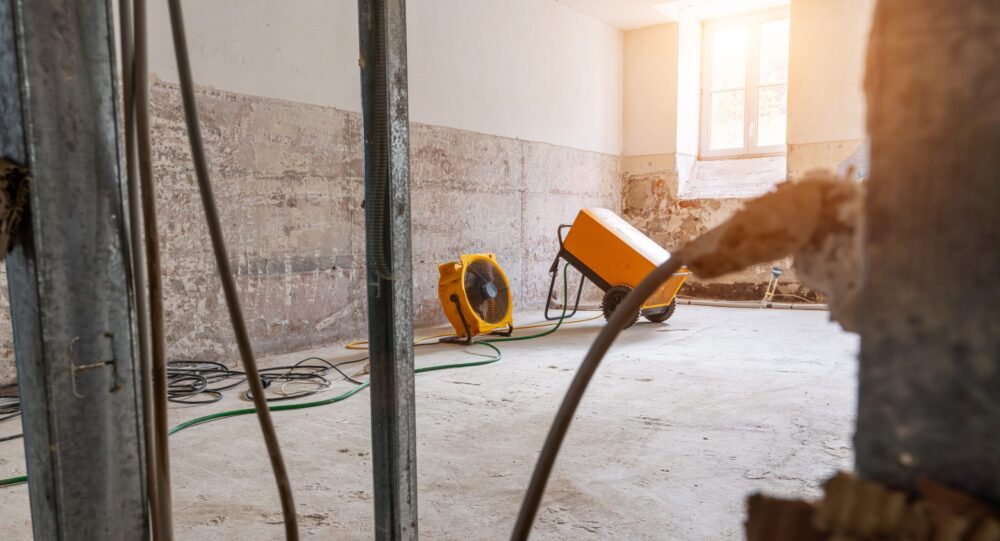
The easiest way to handle restoration efforts is to work with a restoration partner like Paul Davis. Our team can generate scope-of-work estimates and timeless to make the process seamless. We offer mold mitigation with drying and dehumidification, and can provide insurance companies with the necessary documentation.
Property managers will want to submit pre-loss documentation, photos, and everything else you need to ensure proper coverage, which we can help with. Our team can also ensure code compliance and quality control throughout the restoration process.
How Pre-Arranged Partnerships Reduce Downtime for DC & MD Businesses
Establishing restoration partnerships before a disaster can reduce downtime with faster mobilization and familiarity with your facility to reduce delays. With Paul Davis as your partner, we help streamline communication with pre-defined decision makers and ensure speedy claims processing to lower the severity of loss and help you get the resources you need during regional disasters.
Call Paul Davis for Commercial Disaster Response
Reduce downtime and keep your business running with emergency disaster response from Paul Davis. Our team offers full-service fire, smoke, water, and storm restoration to reduce closures or revenue loss and lighten the administrative burden. Our experts use industry-leading technology to provide top-tier service in your time of need. Our goal is to minimize how long your doors are closed and help you get back to serving your customers.
Establish a disaster plan for your business and choose Paul Davis as your restoration expert. Contact our team today to learn more.