Suburban Maryland’s historic neighborhoods, from Federal Hill in Baltimore to Eastport, give the region a distinctive character. Yet these older homes often have outdated insulation, making them more vulnerable to ice dams. Even newer houses near the Chesapeake Bay can experience sudden freeze–thaw cycles that encourage ice buildup. Ice dams can cause trapped moisture, which can then seep inside and cause costly damage.
Paul Davis Restoration is here to help you recognize these hazardous ice formations and guide you toward effective ice dam prevention in Maryland to protect your home.
What Ice Dams Are and Why They Form
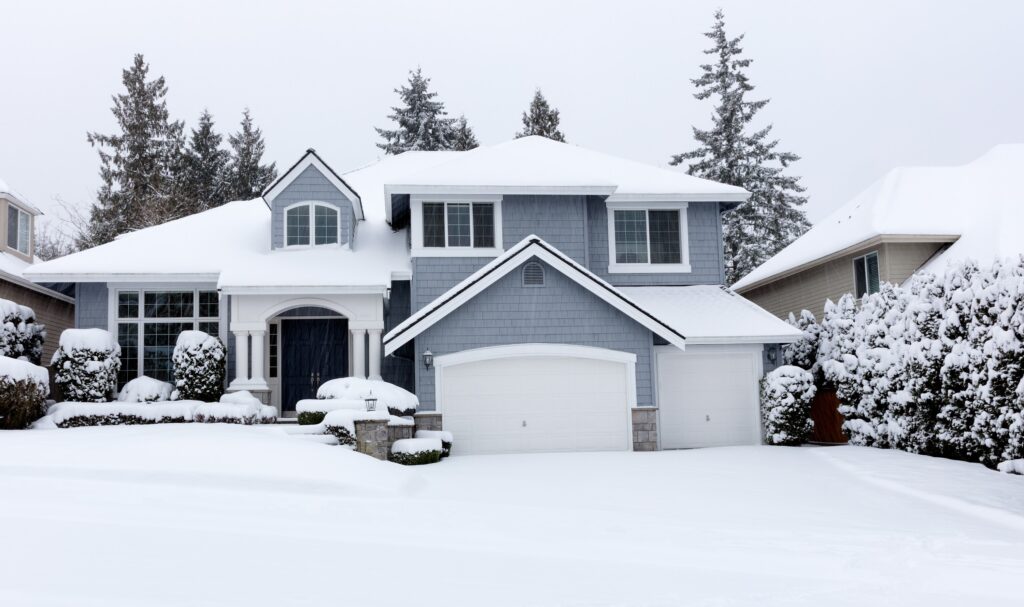
An ice dam is a ridge of frozen water that develops along the roofline. It forms when heat escaping from your house melts snow, which then refreezes at the colder eaves. This cycle creates a barrier that blocks proper drainage, leading to leaks and interior damage.
How Heat Loss Creates Roof Melt-and-Refreeze Cycles
When insulation is inadequate, warm air rises into the attic, melting snow on the roof. As the water flows downward, it encounters colder sections and solidifies again. Attic ventilation and insulation problems make the situation worse. Without steady airflow, roof temperatures fluctuate, encouraging ice formation. That’s why repeated melting and refreezing is especially common in older Maryland homes, which often have inadequate insulation that is overdue for replacement or supplementation. Older homes are usually less well-ventilated as well. Balanced ventilation helps maintain consistent roof conditions, reducing the likelihood of dams.
Warning Signs of Ice Dams on Maryland and DC Homes
If you don’t know what to look for, early warning signs can be easy to miss:
- Ice Buildup Along Roof Edges: Frozen ridges at the roofline are the most obvious sign that water is trapped. This buildup prevents runoff and signals that conditions are right for leaks.
- Icicles at the Eaves or Gutters: While icicles may look picturesque, they often point to drainage issues. Avoid climbing ladders or chipping ice yourself, as these methods are dangerous and can damage shingles.
Interior Signs Like Ceiling Spots or Wall Staining
Discoloration inside your house suggests water is getting in and has already penetrated several layers of roof material. These marks often appear near exterior walls and in attics, and should be addressed quickly to prevent further deterioration.
Short-Term Ways to Reduce Ice Dam Damage Safely
If you suspect ice dams, there are safe steps you can take to limit harm until professional help arrives.
- Ground-Level Roof-Rake Use: Using a roof rake from the ground allows you to remove snow without risking a fall. Extendable handles allow sections to be cleared safely without using ladders.
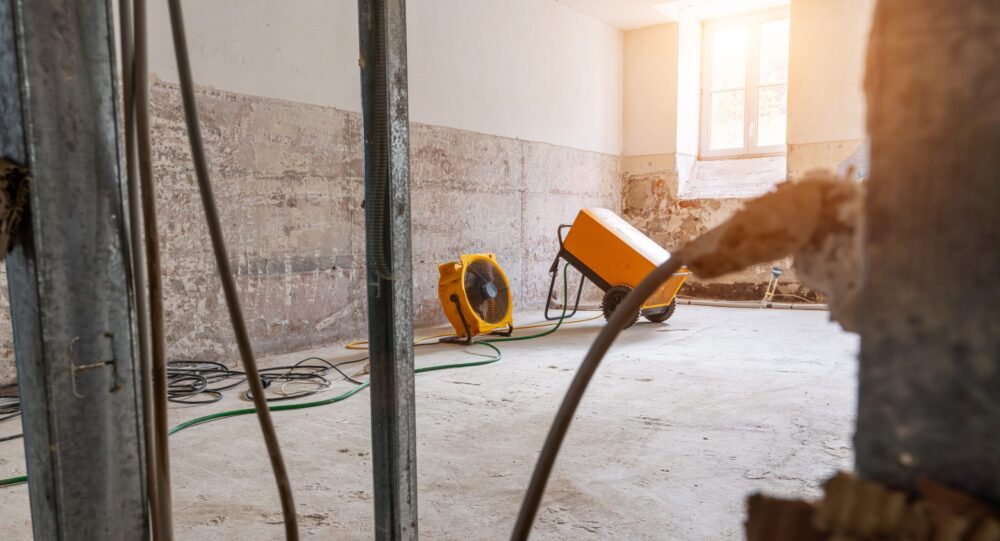
- Temporary Measures to Reduce Water Intrusion: Placing towels or containers under leaks can minimize interior damage. Fans or dehumidifiers may help reduce moisture until repairs are made by an expert restoration company.
Long-Term Fixes to Prevent Ice Dams
Permanent solutions focus on improving your home’s energy efficiency and roof stability. These measures can help prevent other kinds of issues as well, such as storm damage during intense wind and rain.
- Air Sealing to Reduce Heat Escape: Closing gaps around light fixtures, vents, and chimneys prevents warm air from escaping into the attic. This step reduces uneven roof temperatures.
- Attic Insulation and Ventilation Improvements: Adding insulation helps maintain consistent indoor warmth. Options like blown-in cellulose or fiberglass batts are effective choices for Maryland residents. For ventilation, installing ridge vents or soffit vents ensures steady airflow. This balance keeps roof surfaces closer to outdoor temperatures and keeps roof temperatures more consistent, reducing ice dam risk.
The Water Damage Risks Ice Dams Create
Ice dams can lead to serious water damage if ignored.
- Wet Insulation and Structural Concerns: Moisture saturates insulation, reducing its effectiveness and potentially weakening structural components. Over time, this can compromise your home’s integrity and contribute to mold growth.
- Interior Staining and Potential Mold Growth: Persistent leaks cause ceiling stains and encourage microbial growth. If left untreated, mold can spread quickly, requiring specialized mold damage remediation. Mold is one of the major ways that untreated water damage compounds into even larger and more severe issues.
How Paul Davis Can Help After Water Damage
Our local team in Suburban Maryland and DC understands regional weather risks such as roof ice dams. When your roof becomes compromised and water damage from ice dams occurs, you need trusted professionals who can get to work quickly. That’s why Paul Davis offers emergency services 24/7 with a 30-minute response window.
Our certified experts handle water, fire, mold, and storm restoration with precision. We’re proud of our positive online reviews from happy clients, and have worked hard on restoration projects to keep homes secure and families safe. Our team follows a comprehensive process: assess, prevent further harm, clean up, remodel, and restore. We also provide insurance claims assistance, guiding you through coverage questions and making the process as hassle-free as possible.
If you suspect winter roof damage in Maryland, don’t wait. Contact Paul Davis today for a consultation on water damage restoration and mold prevention.