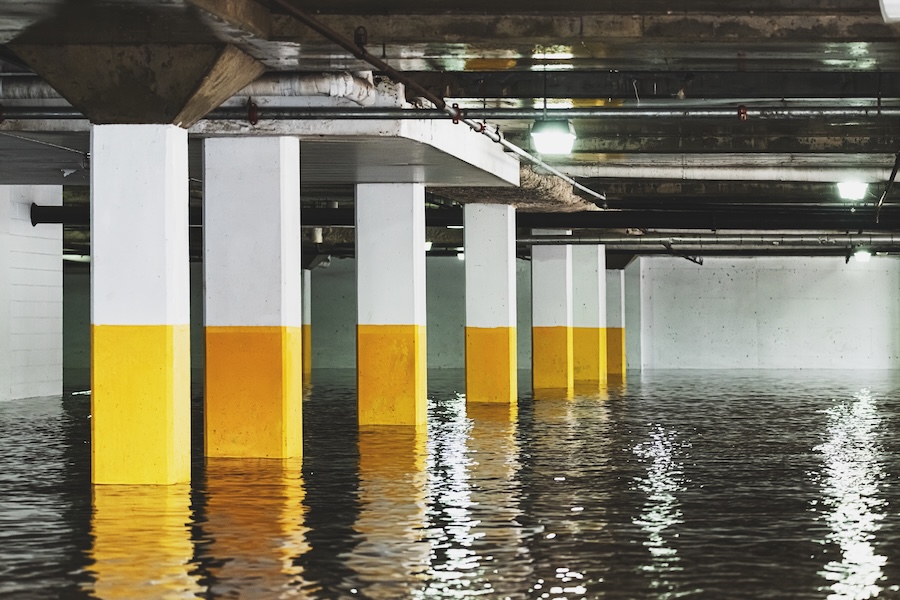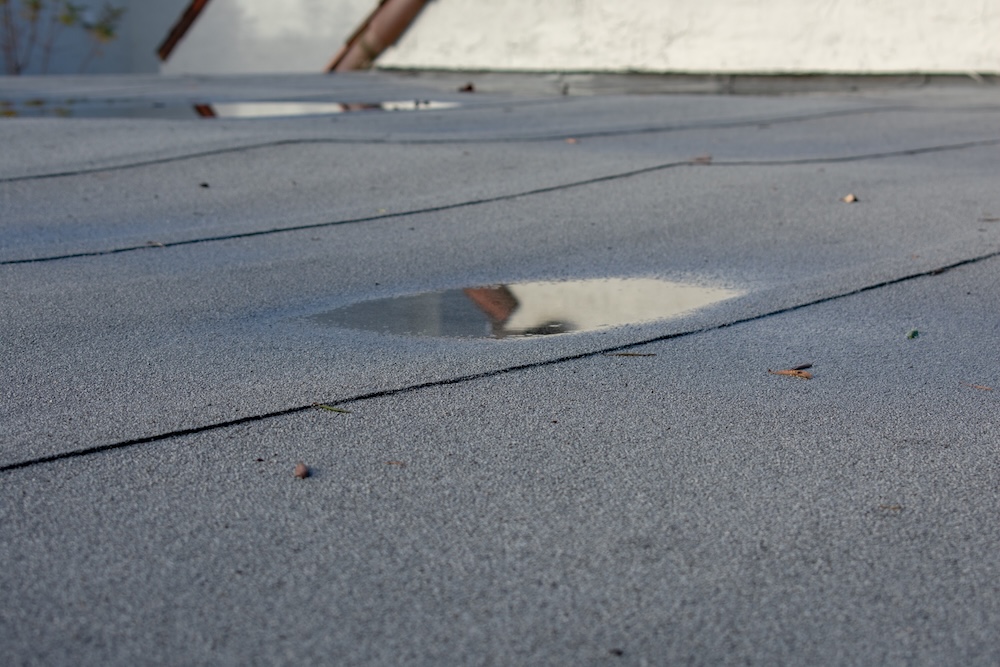
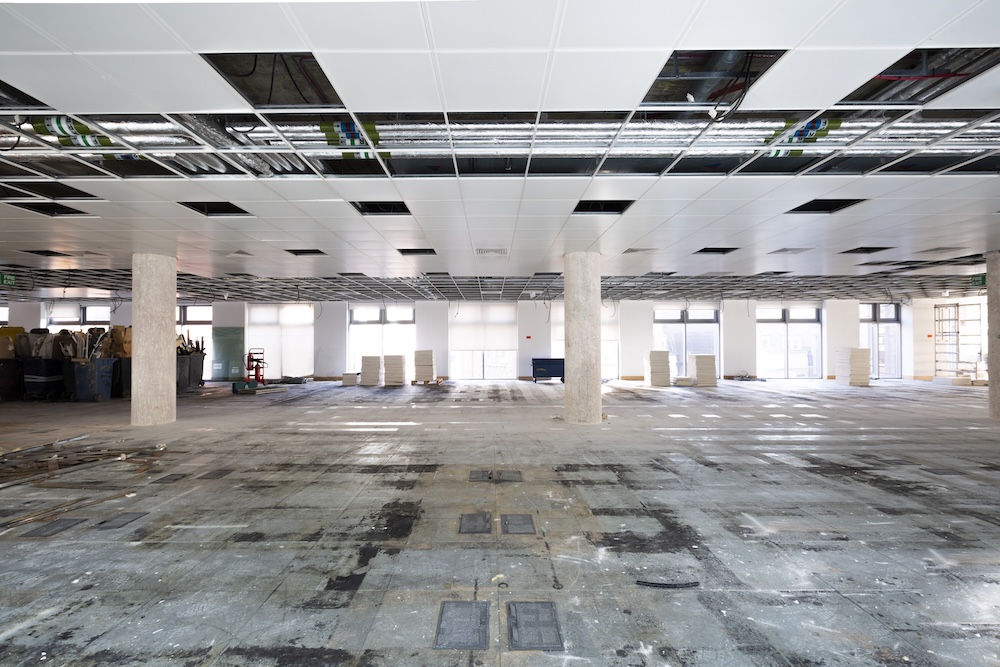
A severe storm or a sprinkler discharge can push water into ceilings, cabinets, server closets, retail stock, and powered equipment in minutes. This is why Paul Davis Restoration of Suburban Maryland and Washington DC emphasizes fast action during the earliest stage of a disaster.
Even a brief leak can soak documents or compromise electronics before anyone notices a puddle or ceiling stain. When water causes commercial damage, the first several hours determine how many secondary issues you may face later. Sometimes the water is obvious, but other times, the problem festers in filing rooms, retail shelves, shared office zones, and IT spaces where moisture might spread quietly.
Paper records and electronics react quickly to rising humidity, and deterioration can begin long before surfaces look wet. Once moisture reaches stored files or powered devices, damage accelerates. Commercial water losses move fast, and your response needs to move just as quickly to prevent a minor interruption from becoming a major setback.
Why Commercial Water Damage is Riskier Than Residential
Commercial buildings contain concentrated storage, sensitive electronics, and systems designed for productivity rather than moisture control. Water can travel much faster than in a home through drop ceilings, HVAC pathways, and grouped filing systems.
- More specialized equipment
- Filing cabinets are usually clustered together, so a single leak can affect years of records
- Server rooms often sit at floor level, placing critical hardware directly in the path of rising water
- Larger HVAC equipment that can leak more water during malfunctions
- Higher average square footage and overall restoration complexity
The First 15 Minutes: Safety and Source Control
Your first priority is safety. You don’t need to fix everything immediately, but you do need to stabilize the area.
- Confirm there’s no electrical danger before touching equipment or stepping into water
- Shut off water at the nearest valve or at the main if accessible
- For sprinkler activations, only the fire department or a licensed contractor should reset the system
- Treat slow roof leaks as issues with hours of response time, while active sprinkler discharges require action within minutes
When Do You Cut Power After Water Damage?
- Outlets
- Power strips
- Server racks
- Lighting
This prevents energizing equipment sitting in or near water and reduces the risk of hidden electrical issues. Never unplug devices while standing in wet areas or touching damp equipment.
Once the space is stable, a licensed electrician should inspect the affected zone before power is restored. Even if surfaces look dry, internal components may still hold moisture that can cause problems later.
Who to Call After Commercial Water Damage (And in What Order)
- Call life safety services or the fire department first if a sprinkler is still discharging
- Contact your insurance carrier or broker to open a claim number early
- Reach out to a water damage restoration company so documentation and mitigation can begin
- Notify an IT or electronics specialist if servers or sensitive equipment were exposed
Protecting Physical Records Before They’re Unsalvageable
Paper reacts to moisture immediately. Wicking pulls water upward through pages, and mold risk begins within 24 to 48 hours. Focus on the documents with the highest long-term value. Irreplaceable originals such as contracts, deeds, and medical or legal records should come first. Financial paperwork follows, then general files that are easier to recreate.
- Don’t fan out wet papers, which causes warping and ink bleed
- Do interleave pages with unprinted or freezer paper to separate them
- Do keep stacks upright to slow moisture movement
- Don’t use heat, which can warp pages
- Do request freeze drying for large volumes or legally significant records
- Do photograph boxes or cabinets before moving anything
These steps help stabilize records until specialists can assist.
How to Protect Electronics From Water Damage
Electronics behave differently from paper or furniture. The biggest risk is whether the device was powered when moisture reached internal components.
Electricity interacting with water increases the chance of short circuiting and corrosion. Even small splashes can cause long-term issues once moisture sits inside connectors or circuit boards.
- Don’t power test any wet device
- Do unplug equipment only if cords are reachable without stepping into water
- Do move devices to a dry, stable surface
- Don’t assume a dry exterior means safe internal components
- Do contact an electronics restoration specialist for essential equipment
Corrosion is the real threat. Your goal is to keep equipment powered off and prevent additional moisture exposure.
Servers, Networking Equipment, and Data
Server closets and networking hubs require a different response. These systems contain components that react quickly to moisture and can suffer data integrity issues even from small exposures.
- Don’t unplug cables randomly
- Do isolate affected hardware without powering it on
- Do label cords and ports before disconnecting
- Don’t attempt amateur cleaning
- Do send equipment to a specialized lab if data recovery is essential
It’s important to contact an electronics restoration specialist rather than relying on general mitigation. Before moving anything, label cables and ports to preserve your setup.
Point of Sale Systems, Copiers, and Shared Office Equipment
Shared equipment often sits in high-traffic zones and may be exposed to moisture before anyone notices. Unplug devices in the affected area rather than simply powering them off.
Tag each item with the date and time you discovered moisture for insurance documentation. Don’t assume a device is fine because the exterior looks dry. Moisture can linger inside trays, panels, and connectors.
Documentation That Actually Protects Your Insurance Claim
Clear documentation strengthens your claim. Adjusters rely on evidence to understand what happened and how much damage occurred.
Photos alone aren’t enough. You need time-stamped visuals, written details, and preserved items.
- Time-stamped photos or video taken before items are moved
- A written inventory with approximate replacement values
- Damaged items preserved until evaluated
- Documentation of when the leak started
- Notes on affected areas and your response timeline
Turn To Paul Davis for Water Damage Cleanup
Quick action protects your daily operations, but you still need a team that can stabilize the situation. Paul Davis Restoration provides water extraction, structural drying, document recovery coordination, and electronics restoration referrals. Our crews respond around the clock, supporting commercial properties in areas like Rockville, Georgetown, and Navy Yard.
If your property has an active leak or recent water event, contact Paul Davis of Suburban MD/DC for 24/7 emergency response.