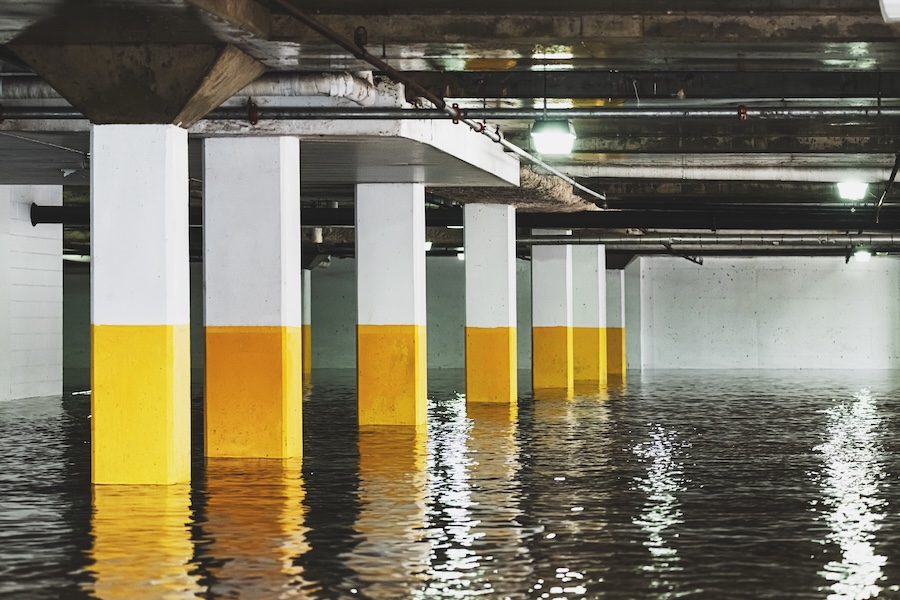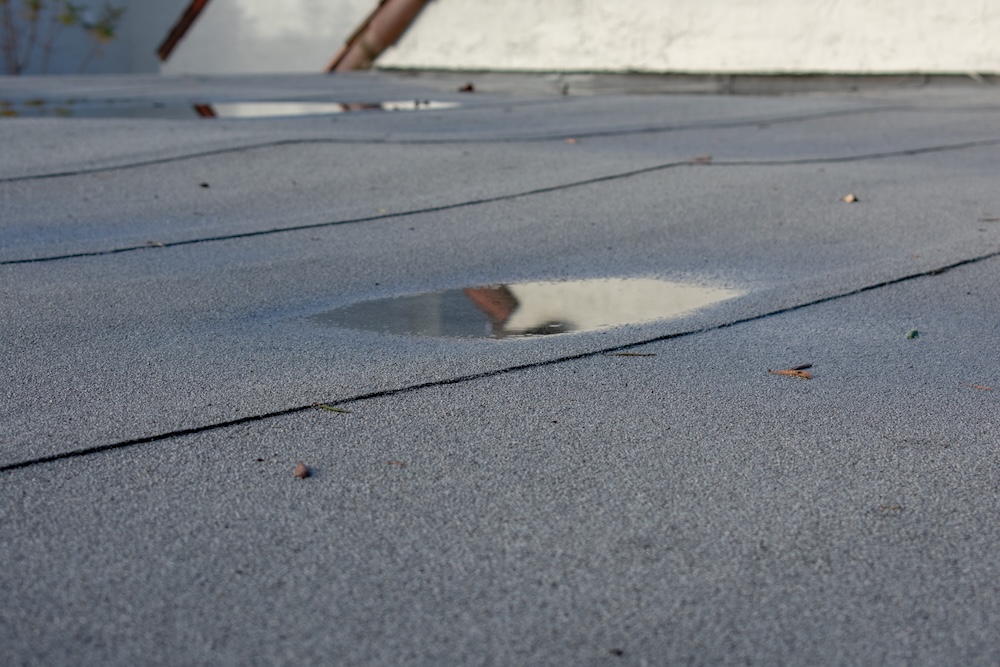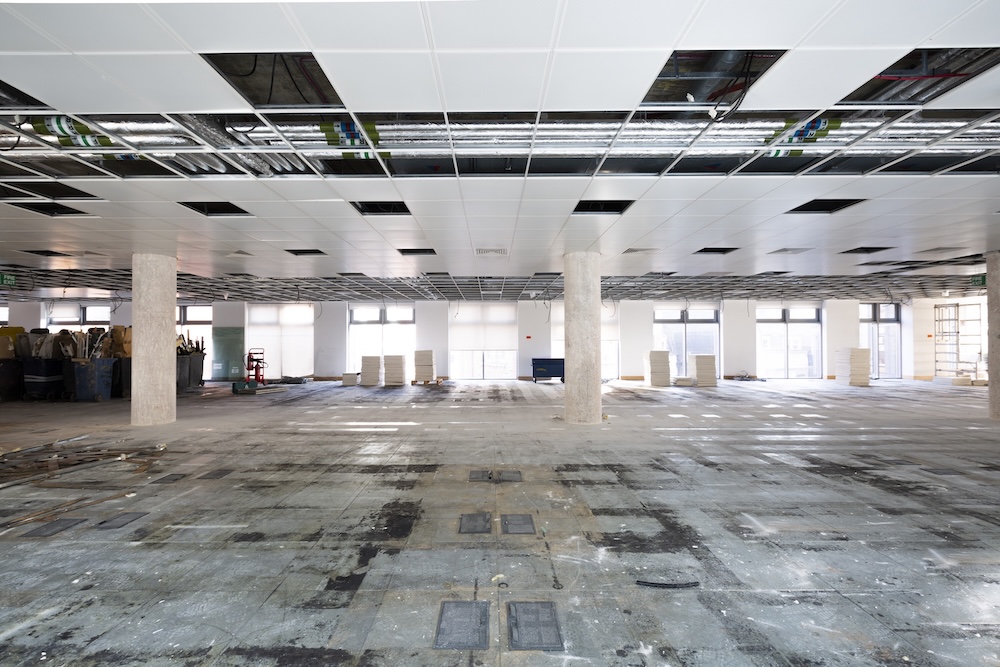
Recovering a Rockville, MD, life sciences lab after water damage requires more than removing water and drying the building. The response must contain the affected area, protect other work zones, and prevent cross-contamination. It must also document sensitive assets, coordinate drying and electronics restoration, and meet strict lab safety requirements.
Lab managers and facility directors need these protocols to reduce downtime, preserve research integrity, and protect equipment and data. Standard water damage procedures are not enough for controlled lab environments; recovery requires specialized expertise and careful coordination to restore operations safely and effectively.
What Should Lab Managers Do First After a Water Loss?
The first priority after discovering water damage is personnel safety. Evacuate the area if submerged equipment or outlets create an electrical hazard, and have a qualified person shut off power at the breaker. If the water source is known and safely accessible, shut it off to limit further damage.
Once the area is secure, contact a restoration company experienced in commercial water damage in sensitive environments such as laboratories. A rapid response can limit damage, reduce microbial growth, and begin containment and recovery promptly.
How to Contain Water Damage Without Spreading Contamination
In a laboratory, effective water damage restoration begins with isolating the affected area. Containment prevents water, humidity, and contaminants from spreading, protecting the building, active experiments, sterile spaces, and valuable research.
Restoration teams may isolate the damaged zone with heavy-duty polyethylene sheeting and use HEPA-filtered air scrubbers to control airborne contaminants. Where appropriate, they establish negative air pressure to help prevent contaminants from escaping the work area. These measures must be coordinated with the lab’s existing ventilation and containment requirements.
Which Lab Areas, Assets, and Systems Need Immediate Documentation?
Thorough documentation supports both the restoration plan and the insurance claim process. Once the area is safe to access, photograph and inventory affected areas and assets before items are moved or removed whenever practical. Document any emergency stabilization work that must begin immediately.
- Wet benches and casework
- Scientific and diagnostic equipment
- Refrigerators, freezers, and incubators
- Computers, servers, and IT infrastructure
- Electrical panels and distribution systems
- Supply storage rooms and inventory
- Sample storage areas
- Clean areas and sterile environments
- Cold rooms and environmental chambers
- Chemical storage cabinets and zones
- Flooring, walls, and ceilings
- HVAC pathways, vents, and ductwork
Why Unaffected Lab Areas Need Protection During Water Damage Cleanup
Protecting unaffected lab areas is as critical as restoring damaged ones. A containment breach can compromise sterile spaces, destroy sensitive samples, and invalidate years of research. Rockville facilities with cleanrooms or BSL-rated zones, therefore, require strict isolation.
Even minor contamination can disrupt controlled processes. The restoration plan must protect unaffected areas from moisture, particles, and microbial growth originating in the damaged zone.
How Foot Traffic, Air Movement, and Wet Materials Can Spread Contaminants
Cleanup can spread contaminants in several ways. Foot traffic can carry water and debris into clean areas, while HVAC systems and drying equipment can circulate airborne spores. Poorly sealed wet materials can also drip and cause secondary contamination during removal.
When Should Wet Lab Equipment Be Powered Down or Isolated?
Electrical equipment exposed to water or located near standing water should remain untouched until qualified personnel can safely disconnect its power supply. Facilities staff or a licensed electrician should isolate affected circuits and follow applicable lockout/tagout procedures to prevent accidental re-energization.
How to Separate Damaged Instruments, Electronics, and Contents From Usable Assets
Use a systematic triage process to manage affected lab assets. Restoration professionals and lab staff should sort items into three designated zones: total loss, salvage and restoration, and unaffected items moved for protection.
Track each item in a detailed inventory as it is assessed and moved. Some instruments and equipment may be recoverable through professional content restoration, including specialized cleaning and drying. Lab personnel must determine whether affected samples, reagents, and supplies can be retained or require disposal under the facility’s safety and quality protocols.
What Makes Floodwater Different From a Clean Water Leak in a Lab?
The source of the water dictates the entire approach to restoration. A leak from a clean supply line (Category 1 water) is significantly different from a sewer backup or an external flood (Category 3 water). Floodwater is considered grossly contaminated and may contain a dangerous mix of chemicals, bacteria, viruses, and industrial waste.
Restoration involving Category 3 water requires appropriate personal protective equipment (PPE), more extensive cleaning and decontamination, and the removal of contaminated porous materials that cannot be safely restored, such as affected drywall and insulation. In laboratories, restoration teams must also assess whether the water contacted chemicals, biological materials, or other hazardous substances before determining the proper cleanup procedures.
How Professional Drying Should Work Around Lab Controls and Sensitive Equipment
Drying a high-tech lab is far more complex than drying a typical office space. The process, known as structural drying, must be scientifically managed to remove moisture without damaging sensitive equipment or disrupting adjacent controlled environments. It’s a key part of any specialized industrial restoration project.
Restoration technicians precisely control humidity with low-grain refrigerant and desiccant dehumidifiers. They position air movers to encourage evaporation without directing airflow at sensitive instruments. Throughout drying, they monitor moisture in the air and structural materials to confirm that the lab has returned to proper environmental conditions.
How Restoration Teams Coordinate With Safety, Facilities, and Lab Leadership
Effective restoration in a lab is a collaborative effort. Our restoration teams work as partners with your internal experts. We coordinate closely with the lab’s Environmental Health and Safety (EHS) officer to understand all potential chemical or biological hazards. We liaise with the facilities manager to safely manage building systems like HVAC and electrical. Most importantly, we communicate with lab leadership to understand research priorities and identify the most critical assets for recovery.
When Electronics Restoration Is Needed for Lab Instruments and IT Systems
Water exposure doesn’t always mean expensive lab instruments and IT hardware are beyond repair. Specialized electronics restoration services can often recover equipment that might otherwise be discarded. Depending on the equipment and extent of damage, specialists may use controlled drying, precision cleaning, or component-level restoration techniques. Some electronics can benefit from ultrasonic cleaning, while sensitive laboratory instruments may require manufacturer-approved repairs, recalibration, or recertification before returning to service. This approach can be faster and more cost-effective than purchasing and calibrating replacement equipment.
How a Lab-Specific Response Plan Can Reduce Future Downtime
The best way to manage water damage is to prepare before it happens. A lab-specific emergency response plan reduces downtime and confusion by establishing procedures, key contacts, and an inventory of critical assets in advance. Programs such as our First Priority program help businesses build these plans for a faster, more organized response when disaster strikes.
Recover From Lab Water Damage With Paul Davis Restoration
Recovering a life sciences laboratory after water damage is a complex undertaking that demands specialized knowledge, precise execution, and seamless coordination. From initial containment and asset documentation to scientific drying and electronics restoration, every step must be handled with the utmost care to protect your research, facility, and personnel. The unique concentration of high-tech labs in Rockville and the surrounding MD/DC area requires a restoration partner who understands the stakes.
For expert assistance with commercial water damage in a Rockville life sciences lab, contact Paul Davis Restoration to hire a team with the specialized experience your facility deserves.